Wiring a House for 220V
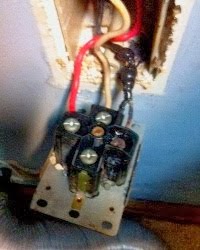
Instructions
- 1 Contact your local building authorities to find out if you need a permit to complete the work. Local building code regulations may vary according to your area of residence. There are also state codes and standards you may be required to follow, most of which are now based on a national model. While 12-gauge wire should be appropriate for most rewiring jobs, check first with your electric power company for any specific requirements or restrictions. For 220V appliances, 10-gauge wire is required.
2 Turn off the power at the main electrical panel box. Use a circuit tester to make sure that the power is off before beginning work. It is crucial that wires not have any power in them. Make sure that no one else can turn on the power while you are working. You might want to hang a warning sign on the panel box so that other household members know that you are working with the wiring. Better yet, lock the box if you can.
3 Determine the number of circuits that you will need. Do this after deciding how many outlets, switches and lighting fixtures will be placed on each circuit. All electrical wires will run from the circuit breaker box. Even if you plan to do the job yourself, you might want to consult first with a qualified electrician for some advice. Use breaker circuits that you are certain can handle 220V wiring.
4 Go up into the attic or crawl space when you are ready to begin, because you will be running wires inside the walls of the house. You will need someone to remain below to assist you from that location. Pull new wire through the walls by tracing the old wire coming from the circuit breaker box. Place the new outlets, switches and lighting fixtures located in each room on a separate circuit to prevent overloading. This may even be required by local building codes.
5 Rewire one room at a time. Use electrical cable with either two or three wires. The type of cable will depend on the types of power plugs different appliances may require.
6 Pull some cable from the receptacle box, allowing about 12 inches to use for wiring in the new receptacle. Strip back the insulation covering on the electric cable wire about 5 inches. You will see copper wiring that you will use for grounding.
7 Strip back the white and black wires about an inch so that you can hook the wires to a new receptacle outlet. Attach the white wire to the steel screw on the outlet; black wire to the copper screw; and copper ground wire to the ground screw positioned at the top of the outlet. If working with cable wire needed for 220V, strip back the red wire and attach directly into the appliance or a special appliance receptacle as per the manufacturer's instructions. These should be color-coded for correct placement.
8 Likewise, attach the black and white wires to the appropriate screws when installing new light switches. You will be working with a black and white wire for a single-pole light switch. When installing a three-way light switch, connect the black wire to the switch. Next, hook up the white wires together, taping them with black electrical tape, and then cap with a wire nut. Twist the copper wires together, leaving the end of one wire a bit longer. Attach that wire to the ground screw at the top of the switch.
9 Call an electrician when it is time to tie the wiring into the service panel box. Even when the main breaker is turned off, there is still power coming into the box to the main breaker. Whether or not you think that you have the ability, unless you are an expert, it is recommended that you not try to do this job yourself. Keep safety on your side and hire someone who works with electricity all the time. You might also want to have your work inspected before turning the electricity back on.


